
Using the patches
The nightly patch routine, step by step
The whole routine is one short step repeated every night. Once it is habit it takes under a minute.
Summary
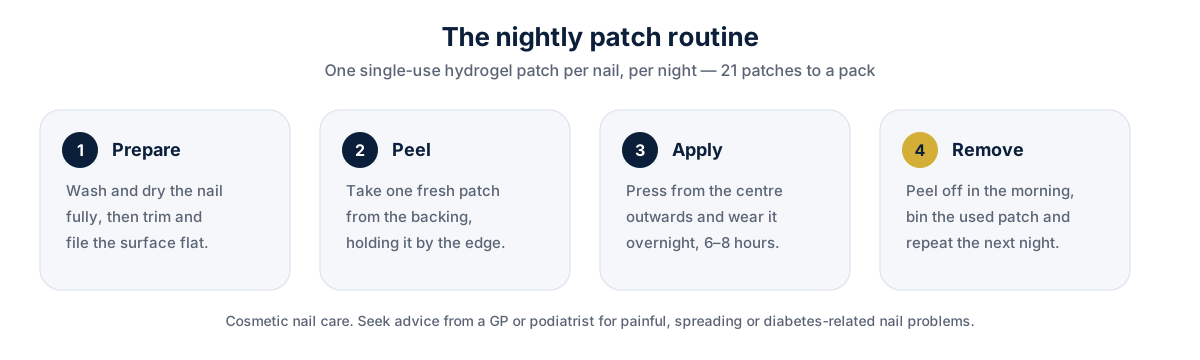
Wash, dry and file the nail, peel one single-use hydrogel patch, press it down from the centre outwards, wear it overnight for six to eight hours, then remove and bin it in the morning. Repeat with a fresh patch each night.
The four steps
Same order, same time, every night.
- 1. Wash and dry the nail and surrounding skin completely
- 2. Trim and file the nail so the surface is flat
- 3. Peel one fresh patch and press it down from the centre outwards
- 4. Wear it overnight, then remove and bin it in the morning
How to judge progress
Look at the nail where it emerges from the cuticle, not at the tip. New growth is the only place change appears. Photograph monthly in the same light.
If patches keep lifting
Almost always one of: a damp nail, an unfiled ridged surface, cream or varnish left on, or pressing only the middle of the patch. Fix the technique before concluding the patches do not work.
When to seek medical advice
Stop and get advice if the skin around the nail becomes red, swollen, painful or weeps.
References
People also read
Medical disclaimer. This article is general information written for a UK audience. It is not medical advice and does not replace assessment by a GP, pharmacist or podiatrist. Always read the patient information leaflet supplied with any product before use.