
Using the patches
How hydrogel nail patches work
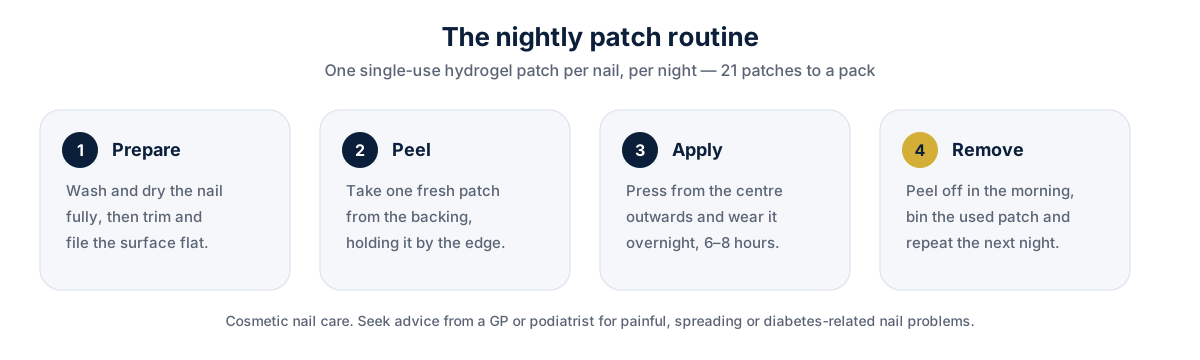
A hydrogel nail patch is a soft, flexible pad with an adhesive backing that sits directly over the nail. Its job is simple: stay put, stay clean and keep the nail covered while you sleep.
What hydrogel actually is
Hydrogel is a water-rich polymer matrix. It is soft, holds its shape, and moulds to the curve of a toenail rather than tenting over it the way a rigid plaster does.
Why overnight wear
Night is the only part of the day when your feet are still, dry and out of shoes for a long stretch. Applying before bed gives six to eight hours of undisturbed contact with no risk of the patch shearing off inside a shoe.
Why single use matters
A worn patch has picked up moisture, skin cells and nail debris. Reapplying it is unhygienic and the adhesive will not seal a second time. Each of the 21 patches is used once and binned.
Where it fits in a routine
Patches are a cosmetic care step, not a medicine. They work best alongside the basics: nails trimmed short and filed flat, feet dried properly between the toes, socks changed daily, and footwear rotated so each pair dries out.
Being realistic about time
Nails grow slowly. A toenail takes nine to twelve months to replace itself completely, so judge progress at the cuticle end over months, not days.
Frequently asked questions
Do the patches replace seeing a doctor?
No. They are a cosmetic care product. Painful, spreading or severe nail changes, and any nail problem if you are diabetic, should be assessed by a GP or podiatrist.
Can I wear a patch during the day?
You can, but adhesion is best overnight when the foot is dry and still.
References
People also read
Medical disclaimer. This article is general information written for a UK audience. It is not medical advice and does not replace assessment by a GP, pharmacist or podiatrist. Always read the patient information leaflet supplied with any product before use.
