
Understanding it
Fungal nail infection (onychomycosis): a complete guide
Onychomycosis is a fungal infection of the nail plate, nail bed or the matrix that produces the nail. It is the most common nail disorder seen in UK general practice, accounting for around half of all nail problems, and it becomes more likely with every decade of life.
Summary
Fungi that feed on keratin get under or into the nail and multiply. The nail discolours, thickens and becomes brittle. It does not resolve on its own, it can spread to other nails and to other people, and treatment takes months rather than days because the visible nail has to grow out or be removed.
Causes
Around 90% of toenail cases are caused by dermatophytes, most often Trichophyton rubrum, the same organism behind athlete's foot. Yeasts such as Candida are more common in fingernails, and non-dermatophyte moulds account for a small minority. All of them need a warm, damp environment and a breach in the nail's defences.
- Untreated athlete's foot spreading upward into the nail
- Nail trauma, running, football, tight or steel-toe footwear
- Communal wet floors: gyms, pools, hotel bathrooms
- Shared clippers or unsterilised salon instruments
- Occlusive footwear worn all day without drying out
Symptoms
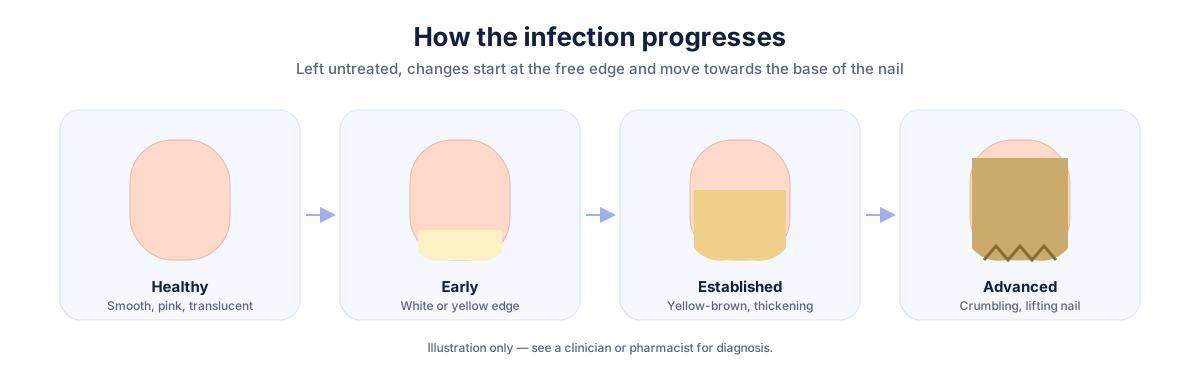
Infection usually begins at the free edge or the side of the nail and works backwards toward the cuticle. Early signs are easy to dismiss as staining or damage.
- White or yellow patch under the tip of the nail
- Thickening, so the nail no longer sits comfortably in shoes
- Crumbling or flaking at the edge
- Distortion of shape and loss of shine
- Nail lifting away from the bed (onycholysis)
- Debris building up beneath the nail
Diagnosis
Around half of thickened, discoloured nails are not fungal at all, psoriasis, lichen planus, trauma and age-related change all look similar. A GP or podiatrist can take nail clippings for microscopy and culture, which is worth doing before starting long oral treatment. For a self-treated topical approach, most people begin on the basis of appearance and history.
Treatment options
Choice depends on how much of the nail is affected, how many nails are involved, and your general health. Options range from removing the diseased nail at home with a 40% urea ointment, through medicated nail lacquers, to prescription oral terbinafine for severe or multi-nail disease. Laser and surgical nail removal exist but are rarely first-line in the UK.
When to seek medical advice
See a GP or pharmacist if you are diabetic, have poor circulation or a weakened immune system, if the nail is painful, if the surrounding skin is red, hot or swollen, if several nails are affected, or if home treatment has produced no change after a month.
Frequently asked questions
Will a fungal nail get better by itself?
It is very unlikely. The fungus lives inside the nail plate where the immune system cannot easily reach it, so untreated infection usually spreads slowly across the nail and onto neighbouring nails.
Is it dangerous?
For most healthy adults it is a cosmetic and comfort problem. In people with diabetes or reduced circulation it can lead to cracks in the skin and secondary bacterial infection, so it should be assessed rather than self-treated.
How long does treatment take?
Removing or clearing the infected nail takes weeks; growing a clear replacement nail takes three to six months for a fingernail and nine to twelve for a big toenail.
References
People also read
Medical disclaimer. This article is general information written for a UK audience. It is not medical advice and does not replace assessment by a GP, pharmacist or podiatrist. Always read the patient information leaflet supplied with any product before use.