
Symptoms
Early fungal nail symptoms: catching it in the first weeks
Treatment is quickest when only the tip of the nail is involved, which is exactly when the signs are easiest to ignore. Knowing what the first few weeks look like is the single most useful thing you can learn about this condition.
Summary
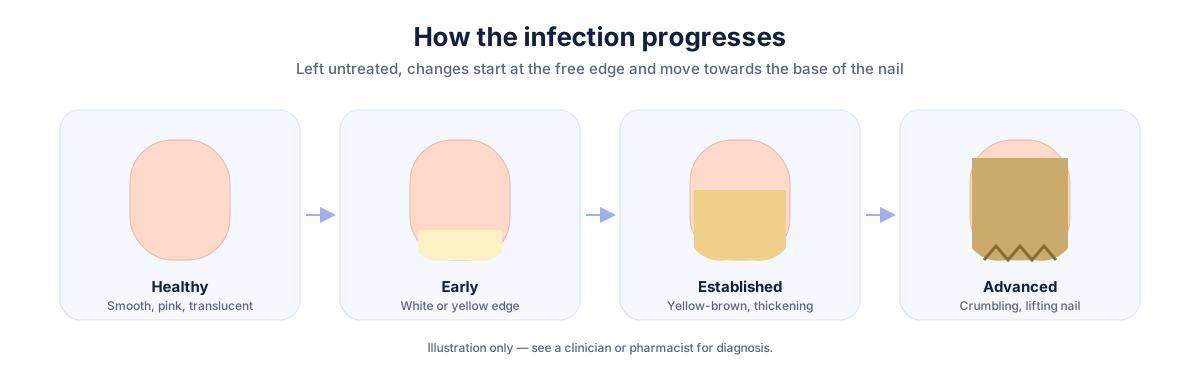
Early infection shows as a small white, cream or yellow patch at the free edge or side of one nail, often with a faint loss of shine. There is no pain and no thickening yet. At this stage a topical approach usually only has to deal with a few millimetres of diseased nail.
What to look for
Examine nails in good daylight, after removing any varnish, and compare left with right.
- A chalky white spot that does not scratch off
- Yellowing that starts at a corner rather than across the whole nail
- A slightly rough or powdery texture at the free edge
- A thin dark line of debris under the nail tip
- Loss of the natural gloss on one nail only
What it is not
A dark red or purple mark that grows out in a straight line is usually a bruise from trauma. Uniform yellowing across all ten nails is more often staining from dark varnish, smoking or age. Pitting with salmon-coloured patches suggests nail psoriasis rather than fungus.
Why early action matters
The volume of infected keratin roughly doubles each time infection advances a few millimetres. Treating a 10% affected nail is a short job; treating a fully involved, thickened big toenail is a project measured in months.
When to seek medical advice
Get any nail change checked if you are diabetic, if a dark streak runs the length of the nail from the cuticle, or if the change appeared suddenly with pain and swelling.
Frequently asked questions
Can early fungal nail be reversed?
The infected part of the nail cannot be restored, but if only the tip is involved you can remove or grow out that section within weeks.
Should I paint over it?
Avoid it. Varnish traps moisture, hides progress and prevents topical treatment reaching the nail.
References
People also read
Medical disclaimer. This article is general information written for a UK audience. It is not medical advice and does not replace assessment by a GP, pharmacist or podiatrist. Always read the patient information leaflet supplied with any product before use.