
Prevention
Can a fungal nail infection come back after treatment?
Recurrence is reported in roughly one in four to one in two cases within a few years. That statistic is less discouraging than it sounds, because most recurrences have an obvious and preventable cause.
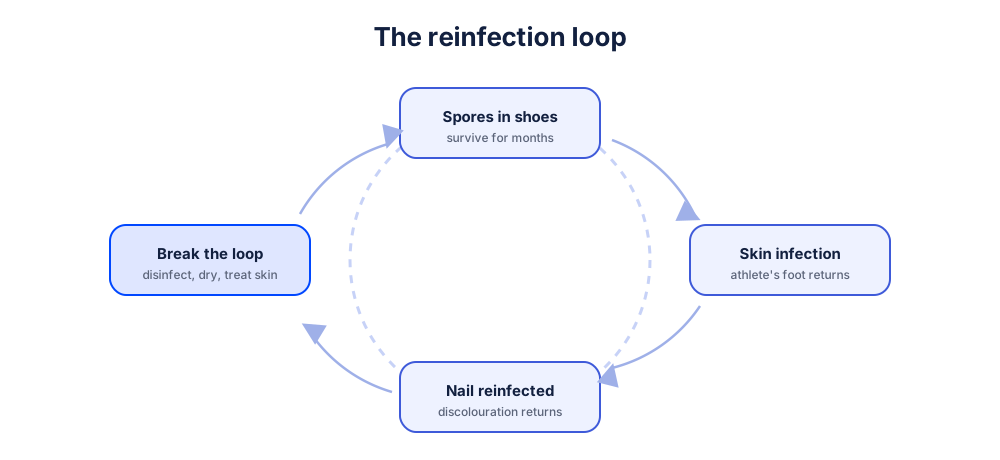
Summary
Relapse means surviving fungus in the nail regrowing; reinfection means fresh exposure from skin, shoes or floors. Both are addressed by finishing treatment fully, treating the skin as well as the nail, and decontaminating footwear.
Why it returns
The usual causes, in order.
- Treatment stopped as soon as the nail looked better
- Athlete's foot never treated
- The same untreated shoes worn afterwards
- Damp communal floors with bare feet
- An underlying factor, diabetes, poor circulation, immunosuppression
The maintenance routine
Dry between the toes daily, rotate shoes so each pair dries for 24 hours, use an antifungal foot powder or spray weekly, keep nails short and filed flat, and treat the first hint of itchy, flaking skin immediately.
When to seek medical advice
Repeated recurrence despite good technique deserves investigation, for undiagnosed diabetes, psoriasis or a non-dermatophyte organism that standard treatment misses.
Frequently asked questions
How long should I keep preventing?
Treat prevention as a permanent habit, particularly if you use gyms or pools.
References
People also read
Medical disclaimer. This article is general information written for a UK audience. It is not medical advice and does not replace assessment by a GP, pharmacist or podiatrist. Always read the patient information leaflet supplied with any product before use.