
Understanding it
Athlete's foot vs nail fungus: the same enemy, two fronts
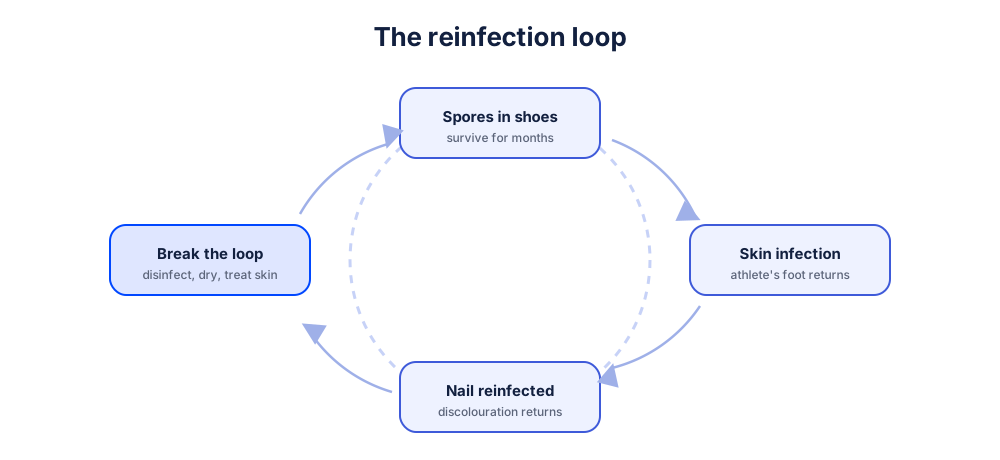
They are usually caused by the same organism. Treating the nail while ignoring the skin is like bailing a boat without plugging the hole.
Summary
Athlete's foot (tinea pedis) affects the skin, itching, flaking, cracking between the toes. Onychomycosis affects the nail. Skin infection typically comes first and seeds the nail; a treated nail is easily reinfected from untreated skin.
Telling them apart
Different tissue, different signs.
- Athlete's foot: itchy, moist or scaly skin, often between the fourth and fifth toes
- Nail infection: discolouration, thickening, crumbling, no itch
- Both frequently present together on the same foot
Treatment options
Skin responds well to over-the-counter topical antifungal creams used for the full course, usually one to four weeks and continued a week after symptoms clear. The nail needs its own approach, removal of the diseased nail or prolonged antifungal treatment. Run both at the same time.
When to seek medical advice
If skin cracks, weeps or becomes painful and red, which may indicate bacterial infection needing antibiotics.
Frequently asked questions
Will athlete's foot cream cure my nail?
Rarely. Creams do not penetrate the nail plate; they are for the surrounding skin.
References
People also read
Medical disclaimer. This article is general information written for a UK audience. It is not medical advice and does not replace assessment by a GP, pharmacist or podiatrist. Always read the patient information leaflet supplied with any product before use.
