
Prevention
How to disinfect shoes after a fungal nail infection
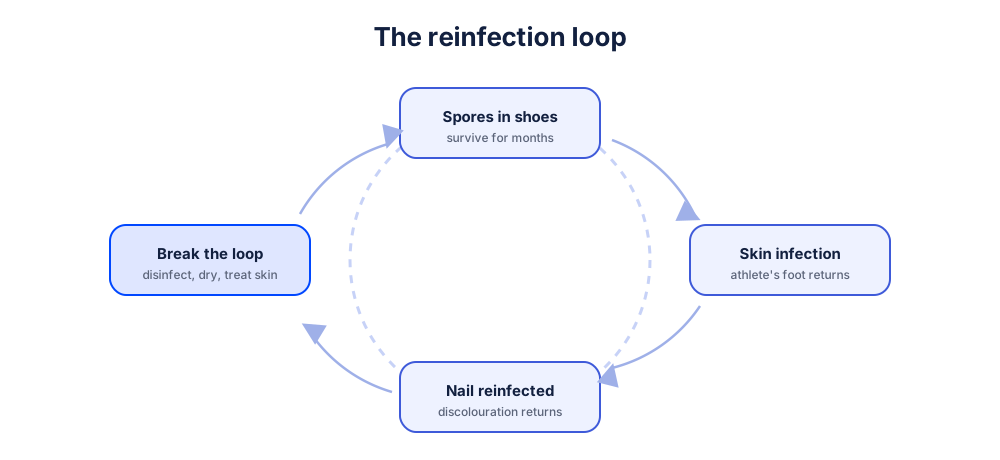
Fungal spores can persist inside footwear for months. Treating the nail while putting the same shoes back on every morning is the most common reason people end up treating twice.
Summary
Combine drying, an antifungal spray or powder, and hot washing where the material allows. No single method sterilises a shoe, but together they reduce the spore load enough to matter.
What works
Ranked by practicality for everyday UK footwear.
- Antifungal shoe spray weekly on the inside of every regularly worn pair
- Antifungal foot powder in shoes overnight to absorb moisture
- Rotating shoes so each pair dries for a full 24 hours
- Washing trainers, socks and slippers at 60°C where care labels allow
- Replacing the insoles of the pair you wear most
- UV shoe sanitising devices as an adjunct, not a replacement
Floors and fabrics
Wash bath mats and towels at 60°C weekly, mop hard floors with a household disinfectant, and vacuum bedroom carpets, skin flakes carrying spores collect where you dress.
When to replace
Old trainers and worn slippers used throughout an untreated infection are usually worth replacing rather than repeatedly decontaminating.
Frequently asked questions
Does freezing shoes kill fungus?
No. Domestic freezing is unreliable against dermatophyte spores.
Can I use bleach?
Not inside shoes, it damages materials and skin. Use a product intended for footwear.
References
People also read
Medical disclaimer. This article is general information written for a UK audience. It is not medical advice and does not replace assessment by a GP, pharmacist or podiatrist. Always read the patient information leaflet supplied with any product before use.