
Symptoms
Thick toenails: why nails thicken and how to manage them
A thickened nail is uncomfortable in shoes, difficult to cut and hard to treat, because thickness itself blocks topical treatment from reaching the infection underneath.
Summary
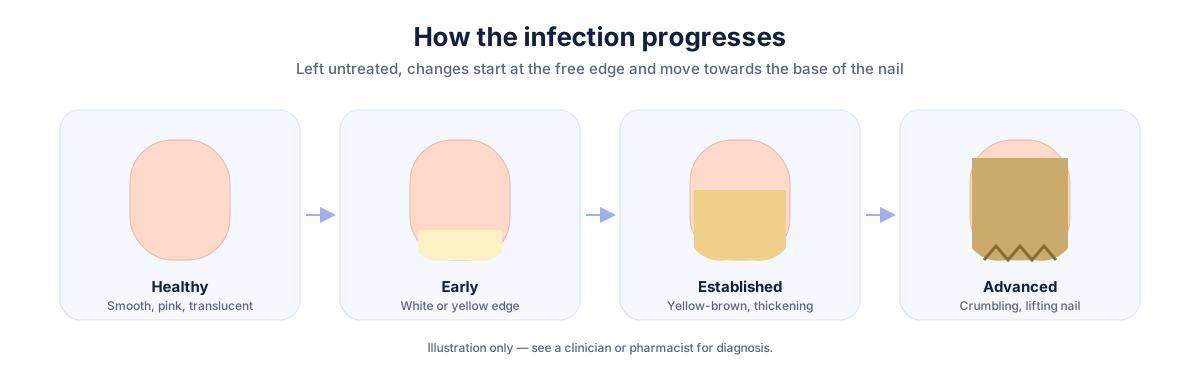
Thickening (onychauxis) follows anything that irritates the nail matrix repeatedly: fungal infection, pressure from footwear, or decades of minor trauma. Fungal thickening is usually accompanied by discolouration and crumbly debris.
Causes
Often more than one factor is at work in the same nail.
- Fungal infection filling the nail with keratin debris
- Repeated pressure from narrow or short shoes
- Sport, running, football, hiking downhill
- Psoriasis and other inflammatory skin conditions
- Reduced circulation, which slows nail turnover
Treatment options
Reducing thickness makes everything else easier. A podiatrist can debride the nail with a burr in minutes. At home, a 40% urea ointment softens diseased nail so it can be scraped away in layers, which both thins the nail and removes infected material.
Living with it
Cut nails straight across after a bath when they are softest, use a strong straight-edge clipper rather than scissors, and choose shoes with a deep toe box.
When to seek medical advice
Book a podiatrist if you cannot cut the nail safely yourself, if it is painful to walk on, or if you have diabetes or neuropathy, do not attempt aggressive home reduction in those cases.
Frequently asked questions
Can a thick nail go back to normal?
If the cause is infection and it is fully cleared, the regrown nail is often much closer to normal. Long-standing matrix damage from trauma can be permanent.
Is filing safe?
Gentle filing of the surface is fine. Do not thin the nail until it is flexible or sore.
References
People also read
Medical disclaimer. This article is general information written for a UK audience. It is not medical advice and does not replace assessment by a GP, pharmacist or podiatrist. Always read the patient information leaflet supplied with any product before use.